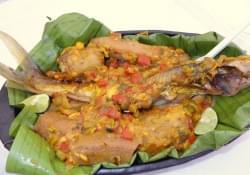
Inspired by the program of Colombian journalist Santiago Rivas, who proudly talks about this traditional Colombian dish. It is a popular and flavorful food that, as I mentioned at the beginning, did not originate in noble Colombian lands but arrived with the Spaniards. Although it is consumed throughout the Americas and arguably worldwide, it was adopted and transformed into the Chibchombian empanada, a local expression indicating the Chibcha roots of modern Colombians. The journalist affirms that no resident in Colombia believes their version isn't the best, which is considered the most delicious from here to Beijing. It can be found everywhere; with little money, you can buy it, and it can even be considered a national emblem. There's a popular saying: "What do we do? Well, empanadas, because they are the most sold."
This product can be enjoyed at any time of the day and by all types of people. It can be shaped like a half moon or be a bun and can be filled with various ingredients such as chicken, beef, pork, rice, potato, vegetables, or even mushrooms. They are sold in all kinds of establishments: bakeries, pastry shops, stores, snack bars, and restaurants, whether fancy or humble, and even from street vendors. Approximately twelve million empanadas are produced daily since some people eat them three times a day, sometimes multiple empanadas at once, which can become quite addictive.
The origin of the empanada dates back to 2600 BC, where it was created as a practical way to transport food in a fresh state for later consumption during long journeys across the Far East. Over time, they began to cook the filling inside the bread dough, eating both together. This is how the empanada was born. As it evolved, the wheat dough was replaced by corn masa, and ingredients like potatoes were added. Today, fried empanadas are the most popular. Santiago Rivas states that now it is a multi-cultural, multi-ethnic, multi-greasy, and multi-fatty food. Etymologically, 'empanada' means bread dough or something encased in bread dough. In Colombia, the traditional recipe from colonial times used maize dough, cooked in pork fat, filled with hogao or a sautéed onion and tomato sauce, soup rice, peas, and ground beef, then fried in pork fat to achieve that delicious crispy texture.
Empanadas are an impulse or craving food; seeing them fresh and warm, smelling them, or watching someone enjoy a small empanada with spicy aji or a squeeze of lime makes it truly irresistible. They're perfect before lunch, while waiting for a date, during a work break, or at any time. While fried empanadas are preferred, baked versions have also been created. There are variations with only beef, only chicken, mixed, or with additional ingredients like potatoes, rice, mushrooms, sausage, cheese, or even sweet fillings like guava paste, ham, or pineapple. Thanks to Colombian creativity, many more combinations can be expected. No version is the ultimate favorite; the empanada itself is the favorite.
Making empanadas requires dedication, patience, knowledge, and skill. There are regional varieties: Tolima's filled with lechona, Valle's with chontaduro or native potato and pork, and Pacific coast versions with plantain dough and shredded meat. They can be found frozen at supermarkets or ready to eat. The moment is perfect for adding different types of aji, such as the most common, made with tomato, finely chopped onion, cilantro, a pinch of salt, and spicy bird’s eye chili; or a blended red chili, or the one with the maní (peanut). All of these are typically served with water, soda, black coffee, juice, or other beverages.
The empanada is a cultural, social, and economic symbol because selling empanadas helps people fulfill dreams, meet goals, and build projects. It is an honorable craft; for example, the Caicedonia Valley monument or the one in Manizales was made with the earnings from empanadas sold by many families who have supported their families and built their homes through this traditional business. Buen provecho.